Critical care medicine
หน่วยเวชบำบัดวิกฤต
วิสัยทัศน์
มุ่งมั่นเป็นสถาบันทางเวชบำบัดวิกฤตชั้นนำของประเทศ
พันธกิจ
ด้านการศึกษา การวิจัย และการรักษาตามบริบทของคณะแพทยศาสตร์ มหาวิทยาลัยสงขลาครินทร์
ประวัติ หน่วยวิชาเวชบำบัดวิกฤต
หน่วยวิชาเวชบำบัดวิกฤต (critical care medicine unit) สังกัดภาควิชาอายุรศาสตร์ คณะแพทยศาสตร์ มหาวิทยาลัยสงขลานครินทร์ ก่อตั้งเป็นสาขาวิชาเวชบำบัดวิกฤต เมื่อ ปี พ.ศ. 2547 โดยในระยะแรกมีอาจารย์ 2 คน คือ รศ.นพ.รังสรรค์ ภูรยานนทชัย และ รศ.นพ.บดินทร์ ขวัญนิมิตร ต่อมาได้ขยายงานการเรียนการสอนควบคู่กับงานบริการ ขยายหออภิบาลอายุรกรรมจาก 8 เตียง เป็น 10 เตียง มีอาจารย์ประจำหน่วยวิชารวม 4 คน และสามารถเปิดรับการฝึกอบรมแพทย์ประจำบ้านต่อยอดเวชบำบัดวิกฤตได้ในปี พ.ศ. 2558
อาจารย์ประจำหน่วย
แพทย์ที่พร้อมให้บริการ
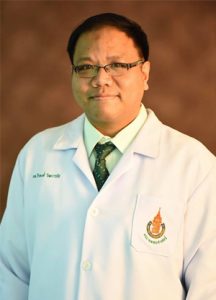
ศ.นพ.บดินทร์ ขวัญนิมิตร
ความเชี่ยวชาญ
การศึกษา
- แพทยศาสตรบัณฑิต
- วุฒิบัตรแสดงความรู้ความชำนาญในการประกอบวิชาชีพเวชกรรม สาขาอายุรศาสตร์
- อนุมัติบัตรแสดงความรู้ความชำนาญในการประกอบวิชาชีพเวชกรรม สาขาอายุรศาสตร์เวชบำบัดวิกฤต
เวลาที่ให้บริการ (2)
คลินิกอายุรกรรม
คลินิกนอกเวลา
ศ.นพ.รังสรรค์ ภูรยานนทชัย
ความเชี่ยวชาญ
การศึกษา
- แพทยศาสตรบัณฑิต
- วุฒิบัตรแสดงความรู้ความชำนาญในการประกอบวิชาชีพเวชกรรม สาขาอายุรศาสตร์
- อนุมัติบัตรแสดงความรู้ความชำนาญในการประกอบวิชาชีพเวชกรรม สาขาอายุรศาสตร์เวชบำบัดวิกฤต
- Certificated in intensive care medicine (Australia)
เกี่ยวกับ
เวลาที่ให้บริการ (1)
คลินิกอายุรกรรม
รศ.นพ.วีรพงศ์ วัฒนาวนิช
ความเชี่ยวชาญ
การศึกษา
- แพทยศาสตรบัณฑิต
- ปริญญาโท สาขาวิชาศึกษาศาสตร์ วิชาเอกการวัดและประเมินผลการศึกษา มหาวิทยาลัยสุโขทัยธรรมาธิราช
- ประกาศนียบัตรชั้นสูง (วิทยาศาสตร์การแพทย์คลินิก)
- วุฒิบัตรแสดงความรู้ความชำนาญในการประกอบวิชาชีพเวชกรรม สาขาอายุรศาสตร์
- วุฒิบัตรแสดงความรู้ความชำนาญในการประกอบวิชาชีพเวชกรรม สาขาอายุรศาสตร์เวชบำบัดวิกฤต
เวลาที่ให้บริการ (2)
คลินิกนอกเวลา
คลินิกอายุรกรรม
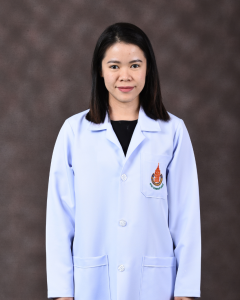
ผศ.พญ.ณัฏฐกา สถาพร
การศึกษา
- แพทยศาสตรบัณฑิต
- ประกาศนียบัตรชั้นสูง (วิทยาศาสตร์การแพทย์คลินิก)
- วุฒิบัตรแสดงความรู้ความชำนาญในการประกอบวิชาชีพเวชกรรม สาขาอายุรศาสตร์
- วุฒิบัตรแสดงความรู้ความชำนาญในการประกอบวิชาชีพเวชกรรม สาขาอายุรศาสตร์โรคระบบหายใจและภาวะวิกฤตระบบหายใจ
- วุฒิบัตรแสดงความรู้ความชำนาญในการประกอบวิชาชีพเวชกรรม สาขาอายุรศาสตร์เวชบำบัดวิกฤต
เวลาที่ให้บริการ (1)
คลินิกอายุรกรรม
ผศ.พญ.นวพร อัษณางค์กรชัย
ความเชี่ยวชาญ
การศึกษา
- แพทยศาสตรบัณฑิต
- ประกาศนียบัตรชั้นสูง (วิทยาศาสตร์การแพทย์คลินิก)
- วุฒิบัตรแสดงความรู้ความชำนาญในการประกอบวิชาชีพเวชกรรม สาขาอายุรศาสตร์
- Subspecialist affiliate in critical care medicine
- Fellowship in advanced cardiac critical care (Canada)
เวลาที่ให้บริการ (1)
คลินิกอายุรกรรม
ฝ่ายสนับสนุน
ไม่พบบุคลากรในหน่วยงาน "เวชบำบัดวิกฤต"
ขอบเขตการดำเนินงาน
งานการเรียนการสอน
รับผิดชอบการศึกษาในระดับปริญญาแพทยศาสตรบัณฑิต ในส่วนการเรียนการสอนสำหรับนักศึกษาแพทย์ชั้นปีที่ 4-5 ในรายวิชาสุขภาพและโรคของผู้ใหญ่และผู้สูงอายุ ทั้งภาคทฤษฎีและปฏิบัติสถานการณ์จำลอง (simulatiuon) นักศึกษาแพทย์ชั้นปีที่ 6 ในวิชาเลือกเสรีเสริมประสบการณ์เวชบำบัดวิกฤต หมุนเวียนครั้งละ 2 สัปดาห์ จำนวน 1-2 คนต่อการหมุนเวียน 1 รอบ รวมทั้งรับนักศึกษาแพทย์จากต่างสถาบันและต่างประเทศมา elective ด้วย โดยกำหนดรับ 1-2 คน ต่อเดือน
การเรียนการสอนในระดับหลังปริญญา โดยมีแพทย์ใช้ทุนและแพทย์ประจำบ้านอายุรศาสตร์ชั้นปีที่ 1-3 มาปฏิบัติงานหมุนเวียนในหออภิบาลผู้ป่วยอายุรกรรม
เป็นสถาบันฝึกอบรมแพทย์ประจำบ้านต่อยอดสาขาเวชบำบัดวิกฤต ตั้งแต่ปีการศึกษา 2558 ปีละ 1 คน
กิจกรรมวิชาการประจำหน่วย วันอังคาร เวลา 14.00-15.00 น. Topic resident
วันพุธ เวลา 10.00-11.00 น. Journal club และเวลา 14.00-15.00 น. Grand round
งานวิจัย
หน่วยเวชบำบัดวิกฤตให้ความสำคัญกับงานวิจัยที่เกี่ยวข้องกับการดูแลผู้ป่วยวิกฤต เช่น ผู้ป่วยภาวะพิษเหตุติดเชื้อ (sepsis) ผู้ป่วยหลังหัวใจหยุดเต้น โภชนศาสตร์ค้ำจุนในผู้ป่วยวิกฤต ผู้ป่วยกลุ่มอาการหายใจลำบากเฉียบพลัน (ARDS) ฯลฯ โดยมีผลงานการวิจัยของอาจารย์ และงานวิจัยร่วมกับแพทย์ใช้ทุนและแพทย์ประจำบ้านอายุรศาสตร์ รวมทั้งงานวิจัยในลักษณะพหุสาขาและพหุสถาบันด้วย
งานบริการทางการแพทย์
หน่วยเวชบำบัดวิกฤต ภาควิชาอายุรศาสตร์ ให้บริการดูแลรักษาผู้ป่วยวิกฤตในหออภิบาลผู้ป่วยอายุรกรรม (medical intensive care unit, MICU) ปีละประมาณ 640 ราย (ข้อมูลปี พ.ศ. 2561) รับปรึกษาผู้ป่วยที่ต้องการการดูแลในหอผู้ป่วย ICU และผู้ป่วยต่างแผนกประมาณปีละ 120 ราย ขอบเขตของการให้บริการของงานเวชบำบัดวิกฤตในปัจจุบันกว้างขวางขึ้น โดยหลักใหญ่ประกอบด้วยการรักษาจำเพาะโรค และการรักษาประคับประคองชีวิตผู้ป่วยที่มีการทำงานล้มเหลวของอวัยวะต่างๆ เช่น การรักษาภาวะช็อกการช่วยหายใจในผู้ป่วยหายใจวาย ในวิธีการต่างๆ การรักษาด้วยการฟอกเลือดในผู้ป่วยไตวาย ตับวาย หรือผู้ป่วยได้รับสารพิษ การรักษาพิเศษต่าง ๆ เช่น เครื่องพยุงปอดและหัวใจเทียม (extracorporeal membrane oxygenation, ECMO) รวมทั้งการเฝ้าระวังอาการอย่างใกล้ชิดด้วยทีมแพทย์พยาบาลและเครื่องมือต่างๆในระบบต่างๆ หน่วยวิชามีความพยายามต่อเนื่องในการพัฒนาศักยภาพในการขยายจำนวนเตียงของหออภิบาลผู้ป่วยอายุรกรรมให้เพียงพอต่อความต้องการของผู้ป่วยอายุรศาสตร์ของโรงพยาบาลสงขลานครินทร์ แต่ด้วยความขาดแคลนบุคลากรด้านพยาบาล ทำให้ในปัจจุบันสามารถขยายเตียงบริการได้เพียง 10 เตียง ทั้งนี้หน่วยวิชาฯ มีโครงการขยายจำนวนเตียงบริการอย่างต่อเนื่องจนครบตามศักยภาพ ตามจำนวนบุคลากรที่ได้รับจัดสรร
งานบริการวิชาการ
คณาจารย์ของหน่วยวิชาเวชบำบัดวิกฤต ได้ร่วมเป็นกรรมการของ patient care team โรงพยาบาลสงขลานครินทร์ เช่น sepsis และ cardiac arrest เป็นวิทยากรฝึกอบรมการทำหัตถการสายสวนหลอดเลือดดำสำหรับแพทย์ใช้ทุนและแพทย์ประจำบ้าน โรงพยาบาลสงขลานครินทร์
เป็นอาจารย์พิเศษของคณะพยาบาลศาสตร์และเภสัชศาสตร์ รวมทั้งเป็นวิทยากรในการประชุมทั้งภายในและภายนอกสถาบันการจัดประชุมด้านเวชบำบัดวิกฤต เช่น ECMO workshop, ICU day เพื่อให้ความรู้แก่แพทย์และพยาบาล
งานวิจัย
- Khwannimit B, Bhurayanontachai R, Vattanavanit V. Comparison of the accuracy of three early warning scores with SOFA score for predicting mortality in adult sepsis and septic shock patients admitted to intensive care unit. Heart Lung 2019;48(3):240-244.
- Songsangjinda T, Khwannimit B. Comparison of severity score models based on different sepsis definitions to predict in-hospital mortality among sepsis patients in the Intensive Care Unit. Med Intensiva 2019: S0210-5691(18)30337-1.
- Nakwan N, Chichareon P, Khwannimit B. A comparison of ventricular systolic function indices provided by VolumeView/EV1000™ and left ventricular ejection fraction by echocardiography among septic shock patients. J Clin Monit Comput. 2019 Apr;33(2):233-239.
- Srisawat N, Kulvichit W, Mahamitra N, Hurst C, Praditpornsilpa K, Lumlertgul N, Chuasuwan A, Trongtrakul K, Tasnarong A, Champunot R, Bhurayanontachai R, Kongwibulwut M, Chatkaew P, Oranrigsupak P, Sukmark T, Panaput T, Laohacharoenyot N, Surasit K, Keobounma T, Khositrangsikun K, Suwattanasilpa U, Pattharanitima P, Santithisadeekorn P, Wanitchanont A, Peerapornrattana S, Loaveeravat P, Leelahavanichkul A, Tiranathanagul K, Kerr SJ, Tungsanga K, Eiam-Ong S, Sitprija V, Kellum JA. The epidemiology and characteristics of acute kidney injury in the Southeast Asia intensive care unit: a prospective multicentre study. Nephrol Dial Transplant 2019 pii: gfz087. doi: 10.1093/ndt/gfz087.
- Vattanavanit V, Uppanisakorn S, Nilmoje T. Post out-of-hospital cardiac arrest care in a tertiary care center in southern Thailand: From emergency department to intensive care unit. Hong Kong J Emerg Med 2019, in press
- Daengngam C. Lethongkam S, Srisamran P, Paosen S, Wintachai P, Anantravanit B, Vattanavanit V, Voravuthikunchai S. Green fabrication of anti-bacterial biofilm layer on endotracheal tubing using silver nanoparticles embedded in polyelectrolyte multilayered film. Materials Science and Engineering C 2019; 101: 53-63.
- Vattanavanit V, Buppodom T, Khwannimit B. Timing of antibiotic administration and lactate measurement in septic shock patients: a comparison between hospital wards and the emergency department. Infect Drug Resist 2018;11:125-132.
- Khwannimit B, Bhurayanontachai R, Vattanavanit V. Comparison of the performance of SOFA, qSOFA and SIRS for predicting mortality and organ failure among sepsis patients admitted to the intensive care unit in a middle-income country. J Crit Care 2018;44:156-160.
- Bhurayanontachai R, Rattanaprapat T, Kongkamol C. Comparison of Glycemic Control between Continuous Regular Insulin Infusion and Single-dose Subcutaneous Insulin Glargine Injection in Medical Critically Ill Patients.Indian J Crit Care Med 2018;22(3):174-179.
- Uppanisakorn S, Bhurayanontachai R, Boonyarat J, Kaewpradit J. National Early Warning Score (NEWS) at ICU discharge can predict early clinical deterioration after ICU transfer. J Crit Care 2018;43:225-229.
- Sioson MS, Martindale R, Abayadeera A, Abouchaleh N, Aditianingsih D, Bhurayanontachai R, Chiou WC, Higashibeppu N, Mat Nor MB, Osland E, Palo JE, Ramakrishnan N, Shalabi M, Tam LN, Ern Tan JJ. Nutrition therapy for critically ill patients across the Asia-Pacific and Middle East regions: A consensus statement. Clin Nutr ESPEN 2018;24:156-164.
- Vattanavanit V, Uppanisakorn S, Bhurayanontachai R, Khwannimit B. Quality of Dying in the Medical Intensive Care Unit: Comparison between Thai Buddhists and Thai Muslims. Indian J Crit Care Med 2017;21(6):359-363
- Suntornlohanakul O, Khwannimit B. A comparison of residents’ knowledge regarding the surviving sepsis campaign 2012 guideline. Indian Journal of Critical Care Medicine 2017; 21(2), 69-74.
- Khwannimit B, Bhurayanontachai R, Vattanavanit V. Validation of the Sepsis Severity Score Compared with Updated Severity Scores in Predicting Hospital Mortality in Sepsis Patients. Shock 2017;47(6):720-725.
- Pongmanee W, Vattanavanit V. Can base excess and anion gap predict lactate level in diagnosis of septic shock? Open Access Emerg Med 2017;10:1-7.
- Vattanavanit V, Kawla-Ied J, Bhurayanontachai R. High-fidelity medical simulation training improves medical students’ knowledge and confidence levels in septic shock resuscitation. Open Access Emerg Med 2017; 9:1-7
1. Navasakulpong A, Auger M, Gonzalez AV. Yield of EBUS-TBNA for the diagnosis of sarcoidosis: impact of operator and cytopathologist experience BMJ Open Respiratory Research 2016;3:e000144.
2. Keeratichananont W, Thanadetsuntorn C, Keeratichananont S. Value of preoperative 6-minute walk test for predicting postoperative pulmonary complications. Therapeutic Advances in Respiratory Disease. 2016 Feb;10(1):18-25.
3. Wedzicha JA, Banerji D, Chapman KR, Vestbo J, Roche N, Ayers RT,et al. Indacaterol-Glycopyrronium versus Salmeterol-Fluticasone for COPD. N Engl J Med. 2016 Jun 9;374(23):2222-34
4. Cicènas S, Geater SL, Petrov P, Hotko Y, Hooper G, Xia F, et al. Maintenance erlotinib versus erlotinib at disease progression in patients with advanced non-small-cell lung cancer who have not progressed following platinum-based chemotherapy (IUNO study). Ann Oncol. 2016 Nov;27(11):2103-2110.
5. Yang JC, Sequist LV, Zhou C, Schuler M, Geater SL, Mok T, et al. Effect of dose adjustment on the safety and efficacy of afatinib for EGFR mutation-positive lung adenocarcinoma: post hoc analyses of the randomized LUX-Lung 3 and 6 trials. Ann Oncol. 2016 Nov;27(11):2103-2110.
6. Mok TS, Geater SL, Su WC, Tan EH, Yang JC, Chang GC, et al. A Randomized Phase 2 Study Comparing the Combination of Ficlatuzumab and Gefitinib with Gefitinib Alone in Asian Patients with Advanced Stage Pulmonary Adenocarcinoma. J Thorac Oncol. 2016 Oct;11(10):1736-44.
7. Srichana T, Juthong S, Thawithong E, Supaiboonpipat S, Soorapan S. Clinical equivalence of budesonide dry powder inhaler and pressurized metered dose inhaler. The Clinical Respiratory Journal. 2016 Jan;10(1):74-82
8. Srichana T, Ratanajamit C, Juthong S, Suwandecha T, Laohapojanart N, Pungrassami P, et al. Evaluation of Proinflammatory Cytokines and Adverse Events in Healthy Volunteers upon Inhalation of Antituberculosis Drugs. Biol Pharm Bull. 2016;39(11):1815-1822.
1. Keeratichananont W, Limthon T, Keeratichananont S. Efficacy and safety profile of autologous blood versus tetracycline pleurodesis for malignant pleural effusion. Therapeutic Advances in Respiratory Disease. 2015;9:42-8.
2. Keeratichananont W, Nilmoje T, Keeratichananont S, Rittatorn J. Diagnostic yield and safety of sputum induction with nebulized racemic salbutamol versus hypertonic saline in smear-negative pulmonary tuberculosis. Therapeutic Advances in Respiratory Disease. 2015 9:217-23
3. Kiranantawat N, Srisala N, Sungsiri J, Geater SL, Tanomkiat W. Transthoracic imaging-guided biopsy of lung lesions: evaluation of benign non-specific pathologic diagnoses. Journal of the Medical Association of Thailand. 2015 May;98(5):501-7.
4. Yang JC, Sequist LV, Geater SL, Tsai CM, Mok TS, Schuler M, Yamamoto N, Yu CJ, Ou SH, Zhou C, Massey D, Zazulina V, Wu YL. Clinical activity of afatinib in patients with advanced non-small-cell lung cancer harbouring uncommon EGFR mutations: a combined post-hoc analysis of LUX-Lung 2, LUX-Lung 3, and LUX-Lung 6. The Lancet Oncology. 2015 Jun 4. pii: S1470-2045(15)00026-1. doi: 10.1016/S1470-2045(15)00026-1.
5. Geater SL, Xu CR, Zhou C, Hu CP, Feng J, Lu S, et al. Symptom and Quality of Life Improvement in LUX-Lung 6: An Open-Label Phase III Study of Afatinib Versus Cisplatin/Gemcitabine in Asian Patients With EGFR Mutation-Positive Advanced Non-small-cell Lung Cancer. Journal of Thoracic Oncology. 2015 Jun;10(6):883-9.
6. Maneechay W, Boonpipattanapong T, Kanngurn S, Puttawibul P, Geater SL, Sangkhathat S. Single nucleotide polymorphisms in the Gc gene for vitamin D binding protein in common cancers in Thailand. Asian Pacific Journal of Cancer Prevention. 2015;16(8):3339-44.
7. Yang JC, Wu YL, Schuler M, Sebastian M, Popat S, Yamamoto N, et al. Afatinib versus cisplatin-based chemotherapy for EGFR mutation-positive lung adenocarcinoma (LUX-Lung 3 and LUX-Lung 6): analysis of overall survival data from two randomised, phase 3 trials. The Lancet Oncology. 2015 Feb;16(2):141-51.
8. Allemani C, Weir HK, Carreira H, Harewood R, Spika D, Wang XS, et al. Global surveillance of cancer survival 1995-2009: analysis of individual data for 25,676,887 patients from 279 population-based registries in 67 countries (CONCORD-2). Lancet. 2015 Mar 14;385(9972):977-1010.